

October 23, 2025
What Do the Beach Flags Mean in Miramar Beach, Florida? Stay Safe and Informed!
Planning a trip to Miramar Beach, Florida, is always exciting, but safety should be your top priority. With the sun shining and waves beckoning, it’s easy to overlook the importance of understanding beach safety protocols. One of the most crucial systems in place to protect beachgoers is the beach flag warning system. These flags fluttering in the sea breeze aren’t just colorful decorations; they’re vital safety indicators. So, before you hit the sand, it’s essential to understand what these beach flags mean.
Ever found yourself puzzled by the myriad of flags on the beach and wondered what they signify? These flags hold the key to a safe and enjoyable beach experience, and knowing their meanings can spell the difference between a memorable day and a dangerous one.
Key Takeaways
- Beach flags in South Walton convey important safety information
- Understanding flag colors can prevent accidents and enhance beach safety
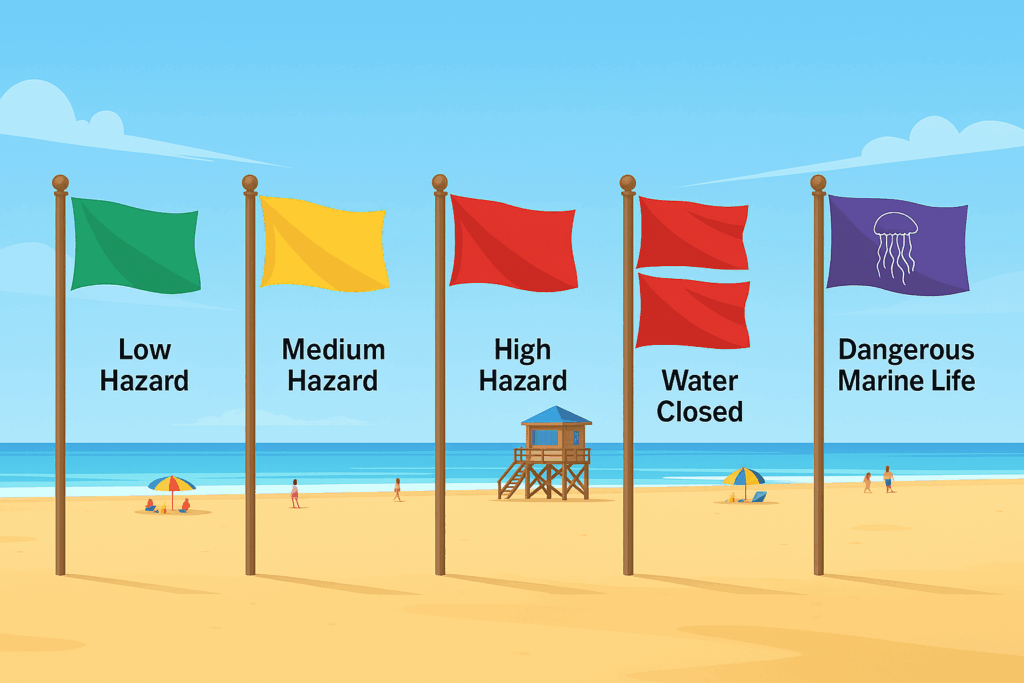
- Green flags mean low hazard; red flags indicate high hazard
- Double red flags signal that the beach is closed
- Stay updated on flag changes for a safer beach experience
Understanding Beach Flags in South Walton
When you visit the beautiful beaches of South Walton, you’re greeted not just by the stunning views but also by a rainbow of flags. These beach flags are more than just markers; they are part of an essential safety system. Local authorities in South Walton actively monitor surf conditions to determine which flags to display, ensuring that beachgoers are informed about what to expect.
The beach flags in South Walton communicate vital safety information. Each flag color tells a story about the sea conditions, from smooth sailing to dangerous waters. Whether you’re a seasoned beach bum or a newbie, familiarizing yourself with the flag system before heading out is crucial. Ignorance isn’t bliss when it comes to beach safety.
These flags are strategically placed at multiple points along the coastline, making them easy to spot. The local authorities, along with lifeguards, update the flags daily based on the ever-changing weather and ocean conditions. So, before you dive into the waves, take a moment to check which flag is flying.
Knowing what the beach flags mean in Miramar Beach can be a lifesaver. These flags serve as a universal language of safety, offering guidance and ensuring that everyone can enjoy the beach without unnecessary risks.
The Importance of Flag Colors for Your Safety
Flag colors on the beach aren’t just for decoration; they serve as visual cues indicating the current beach and sea conditions. Each color corresponds to specific dangers or safety levels in the water. Recognizing these flag colors can be the first step in preventing accidents and enhancing beach safety.
Flag colors are like traffic lights for the beach. A green flag means go ahead and enjoy, while a red flag means stop, danger ahead. Understanding these signals empowers you to make informed decisions about your beach activities. It’s like having a personal safety guide waving its hand at you.
Being alert to changes in flag colors can ensure not just your safety but also your enjoyment. Imagine planning a day of swimming only to find a red flag fluttering in the wind. Recognizing this early can help you adjust your plans, perhaps opting for a beachside picnic instead.
In places like Destin, where beach safety is paramount, being aware of flag colors is more than just a good idea; it’s a necessity. Stay aware, stay safe, and let these flags guide your beach adventures.
What the Green Flag Means on Florida Beaches
A green flag flying over the beach is like a warm invitation to dive in. It signals calm conditions and a low hazard level in the water. On these days, swimmers and families can enjoy the beach with a sense of security, knowing that the risks are minimal.
Even with a green flag, lifeguards remain vigilant. Their watchful eyes ensure that any unexpected changes in conditions are noted, and beachgoers are informed. It’s always comforting to know there’s someone looking out for you, even on seemingly perfect days.
Despite the green flag’s assurance, practicing general water safety is always a good idea. Supervision is key, especially with children around. While the emerald coast might seem inviting, respecting the water is essential.
Green flag days are ideal for relaxed swimming and beach activities. So, pack your beach bag, grab your sunscreen, and enjoy the tranquility of the ocean with peace of mind.
Yellow Flag: Proceed with Caution
When you see a yellow flag waving, proceed with caution. This flag indicates moderate surf and possible strong currents. It’s a gentle warning that the ocean might have a few tricks up its sleeve, and swimmers should be prepared.
During yellow flag conditions, it’s wise to stay within designated swim areas. These zones are monitored for safety, and lifeguards are ready to assist if needed. A little extra vigilance can go a long way in keeping your beach day safe and fun.
The presence of a yellow flag suggests increased caution is necessary. Children and inexperienced swimmers should remain under close supervision. It’s easy to get carried away with the fun, but safety should never take a backseat.
Beachgoers should stay informed about changing conditions throughout the day. Weather and tides can shift, and what starts as a yellow flag day could change. Keeping an eye on the flags can help you adapt and make the most of your time by the Gulf.
Red Flag Alert: High Hazard, Be Careful!
A red flag is a clear warning of high surf and dangerous currents, posing significant risks to swimmers. On red flag days, swimming is strongly discouraged, and beachgoers are advised to be extra cautious.
Lifeguards patrol more frequently during red flag conditions to ensure public safety. Their presence is a reminder that the ocean is not to be underestimated. Listening to lifeguard advice and avoiding venturing into the water can prevent accidents and save lives.
Awareness of red flag warnings is crucial. It’s easy to get swept up in the beauty of the beach, but safety should always remain a priority. These warnings are not just suggestions; they are there to protect you from potential harm.
In Destin and beyond, respecting the red flag can be the difference between a safe day at the beach and a dangerous situation. Let caution guide your actions, and enjoy the beach responsibly.
Double Red Flag: When the Beach is Closed
When you see a double red flag, it means the beach is closed to the public due to extreme conditions. Entering the water during a double red flag is illegal and highly dangerous. It’s akin to a “Do Not Enter” sign for the ocean.
Local authorities enforce beach closures to protect public safety. These decisions are not made lightly; they are based on assessments of conditions that pose serious risks. Respecting these closures is not just a legal obligation but a moral one.
During beach closures, visitors should choose alternative activities. Explore nearby attractions, enjoy a beachside café, or simply relax and soak in the views from a safe distance. The beach will be there another day when conditions improve.
Lifeguards and officials prioritize safety and will update as conditions change. Being informed and patient can help you make the most of your time in Florida, even if it means staying out of the water for a bit.
Purple Flag: Marine Life Warning
A purple flag alerts visitors to the presence of potentially hazardous marine life. This could include jellyfish, stingrays, or other creatures that can pose risks to swimmers. It’s nature’s way of saying, “Beware, there’s more than meets the eye.”
Beachgoers should be cautious when a purple flag is flying. Being aware of marine life increases safety and helps prevent accidental encounters. It’s not about fear, but about being informed and prepared.
Swimmers might consider wearing protective gear during purple flag conditions. A little foresight can prevent an unpleasant experience. Lifeguards are also on hand to provide information and assistance regarding marine life warnings.
Seeing a purple flag doesn’t mean you have to abandon your beach plans. It’s a reminder to be cautious and respectful of the sea and its inhabitants. Enjoy the beauty of Florida’s waters, but always keep an eye out for Mother Nature’s surprises.
How to Stay Updated on Flag Changes in Walton
Beach conditions can change rapidly, and staying updated on flag changes is crucial for your safety. Fortunately, there are several ways to keep informed while you’re soaking up the sun in Walton.
Check local websites and apps for real-time flag updates. Many beach safety organizations offer this service, making it easy to stay in the know. It’s like having a personal weather report, but for the waves.
Lifeguard stations display current flags and provide safety information. These stations are hubs of knowledge, and the staff are always ready to help with any questions you might have.
Visitors can also sign up for alerts from local beach safety organizations. These alerts can be a lifeline, providing critical updates about changing conditions. Regular announcements and updates are also provided through beach loudspeakers.
Staying informed about flag changes helps you adapt to the shifting moods of the ocean. With the right information, you can enjoy a safe and memorable visit to Walton’s beautiful beaches.
Tips for Staying Safe in Rip Currents
Rip currents are powerful channels of water that can pull swimmers out to sea. They’re like the ocean’s conveyor belts, and staying safe requires awareness and understanding.
If you find yourself caught in a rip current, remain calm and swim parallel to the shore. This can help you escape the current’s grip and make your way back to safety. Panicking will only tire you out, so keep your cool.
Lifeguards are available to assist and rescue swimmers caught in rip currents. They’re trained professionals ready to act when needed, so don’t hesitate to call for help.
Beachgoers should learn to identify rip currents by watching for gaps in breaking waves. These areas might look calm, but they’re where the currents can be strongest. Knowledge of rip current safety can prevent panic and ensure a safe beach visit.
On the emerald coast, understanding rip currents is part of being a responsible beachgoer. Equip yourself with this knowledge, and let the waves enhance your beach experience rather than disrupt it.
Enjoying Miramar Beach Responsibly
Being a responsible beachgoer means respecting posted warnings and adhering to safety guidelines. It’s about being part of a community that values safety and preservation.
Visitors should dispose of trash properly to protect the coastal environment. A clean beach is a happy beach, and everyone plays a role in keeping it that way. Participation in local conservation efforts helps preserve the beach for future visitors.
Beachgoers should remain aware of their surroundings and avoid disturbing wildlife. The beach is home to many creatures, and respecting their space ensures a harmonious coexistence.
Enjoying Miramar Beach responsibly ensures a pleasant and safe experience for everyone. So, pack your sunscreen, gather your friends, and head out for a day of sun, sand, and sea, all while keeping safety in mind.
In conclusion, understanding the beach flag system in Miramar Beach, Florida, is key to enjoying your time by the ocean. From recognizing flag colors to staying informed about changing conditions, each step you take towards knowledge is a step towards safety. By respecting the flags and embracing responsible beach behavior, you contribute to a safer, more enjoyable beach experience for everyone.
And now, what’s your most memorable beach experience, and how did safety play a role in it? We’d love to hear your stories and tips!
Frequently Asked Questions
What do the different beach flags mean at Miramar Beach, Florida?
The flags help keep you safe by indicating water conditions. A double red flag means the beach is closed to swimming. A single red flag signals high hazards like strong currents. Yellow means moderate hazards, while green indicates calm waters. A purple flag warns of dangerous marine life. Always check the flags before heading into the water for a safe beach day!
Why is it important to pay attention to beach flags?
Beach flags are crucial for your safety, letting you know about water conditions and potential hazards. Ignoring them could lead to dangerous situations like strong currents or encountering jellyfish. By paying attention to the flags, you can make informed decisions and enjoy your beach day safely.
How often are the beach flags updated in Miramar Beach?
The flags are updated daily and might change during the day if conditions shift. Lifeguards and local authorities keep a close eye on weather and water conditions to ensure flag accuracy. Always check the flags when you arrive and periodically while enjoying the beach to stay informed.
Who decides which flags to raise at the beach?
Local authorities and lifeguards are responsible for raising the appropriate flags. They monitor weather forecasts, water conditions, and marine life activity to determine the flag color. Their goal is to ensure your safety by providing up-to-date information about potential beach hazards.
Can I still swim if a red flag is flying?
Swimming during a red flag is not advised due to high hazards like strong currents. It’s better to stay on the shore and enjoy other beach activities. If you’re set on swimming, consider visiting another day when conditions are safer and the flags indicate lower risks.